
5 Questions to Ask Before Switching 3PLs
3PLs can help create great fulfillment experiences for both retailers and customers, but occasionally brands may need to reexamine their existing 3PL relationships and even switch to new partners. This could be because a partner no longer operates to the level a brand requires, or even because a 3PL is being acquired, downsizing, or shutting down operations completely. Here are five questions brands should ask when they consider switching 3PLs.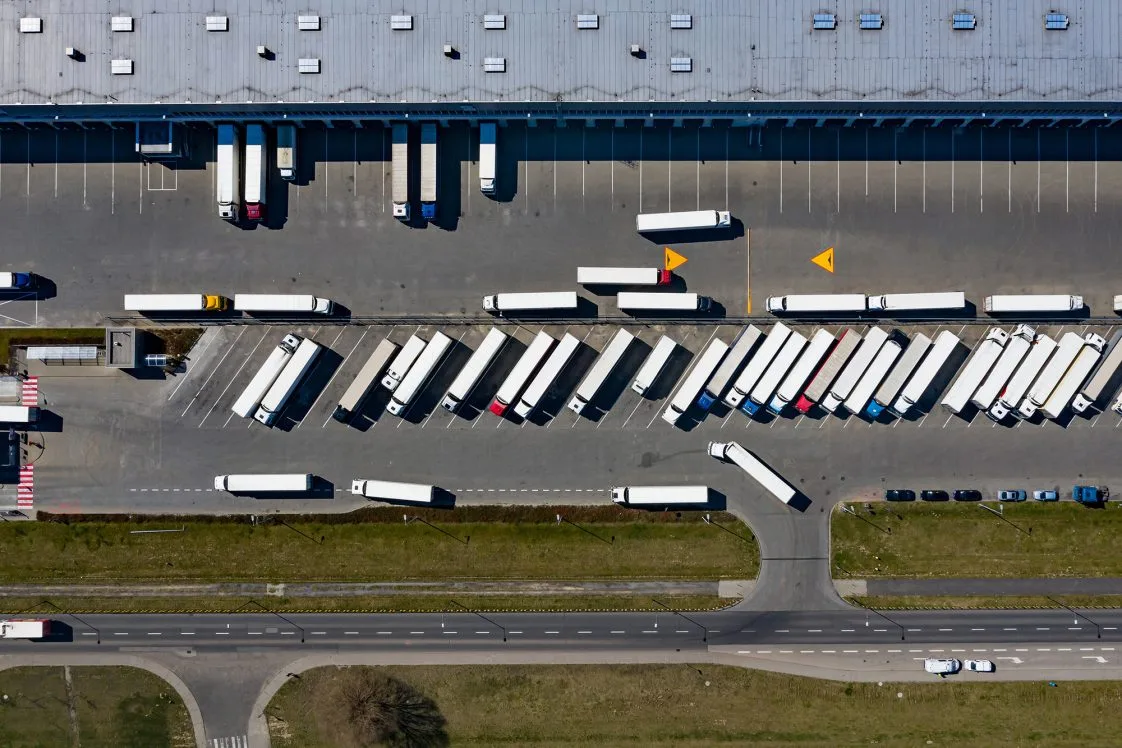
It’s not easy to both navigate supply chain disruptions and meet customer demands in 2026. Retailers already manage high customer expectations for every element of their shopping experience, and that includes a high-quality order fulfillment and delivery experience. While some brands still rely on in-house fulfillment, others work with third-party logistics (3PL) providers to drive great fulfillment and win long-term customer loyalty.
Many modern brands leverage 3PLs to consistently manage and scale order volumes, reduce high warehousing and transportation costs, and navigate increasingly complex supply chain challenges. Outsourced fulfillment also allows brands to focus on developing products and scaling core competencies without making significant capital investments in facilities or transportation, while their logistics partners manage warehousing and distribution, order processing, inventory management, and shipping.
3PLs can help create great fulfillment experiences for both retailers and customers, but occasionally brands may need to reexamine their existing 3PL relationships and even switch to new partners. This could be because a partner no longer operates to the level a brand requires, or even because a 3PL is being acquired, downsizing, or shutting down operations completely.
Five Questions to Ask Before Switching 3PLs
Not every logistics partner has the right combination of speed, flexibility, resources, or experience to meet the unique needs of modern brands. That means supply chain leaders must make the tough decision to switch 3PLs when previous partnersno longer keep pace with business demands.
Here are five questions that a retailer should ask when reassessing their current 3PL. The answers may mean potentially switching to new partners.
Is the 3PL Being Acquired, Downsizing, or Shuttering Their Operations?
Change is inevitable—especially in the ever-evolving world of logistics. But brands shouldn’t experience increased risks, or even business disruption, when their current 3PL partner is acquired, downsizing, or shuttering operations. It’s important for retailers to establish clear communication with existing partners. They should demand clarity around operational changes, shifts, or closures. And if a partnership must end prematurely, they should pivot to other well-established 3PLs that can both launch very quickly and operate reliably for the long-term.
Are Orders Taking Too Long and Costing Too Much to Get to Customers?
Slow, expensive order fulfillment primarily occurs when third-party logistics providers don’t have enough distribution centers or fulfillment locations within a 2–3-day proximity of areas with high customer demand. Nearly 40% of consumers stop shopping with a brand they liked because the brand couldn’t keep up with demand, and 29% will stop shopping due to delayed or cancelled orders. The further a 3PL partner has to ship orders, the greater the cost for a brand—and an increased likelihood of frustrated customers.
If a brand finds itself with expensive order fulfillment, they can look for partners that more readily scale and flex in response to customer demand. It also helps when a partner has the existing network and infrastructure necessary to deliver goods quickly and consistently. A 3PL should take the time to understand your current needs and future roadmap, as well as address contingencies like supply chain disruptions and demand spikes.
Did the 3PL Miss KPIs During Seasonal Peaks?
If your current 3PL missed key performance indicators (KPIs) and struggled to manage operations during a seasonal peak, it is likely time to reassess whether they can scale to meet your needs. A 3PL should be able to scale seamlessly to handle high volumes, and they should be able to flexibly scale down during slow periods. Seek a 3PL that openly discusses how they will scale via automation, facility capacity, operational efficiency, and seasonal hiring. That way, the partner can ensure customers have positive shopping experiences and receive their orders on time.
Is the 3PL Offering a Low-Cost Option but Compromising on Quality?
Your 3PL represents your brand first and foremost. There’s no margin of error when demand spikes and customers expect deliveries. It might be tempting to go with a low-cost option, but it can lead to the risk of compromised quality. 3PLs that rely on low costs to attract customers can affect operations and delivery, leading to unhappy customers and lost revenue.
Are They Prepared for Supply Chain Disruptions?
Retailers already endure significant supply chain disruptions regularly—from geopolitical situations to natural disasters to supplier issues. No matter the disruption, your supply chain partner should be prepared to proactively respond and mitigate risks.
Retailers can respond by optimizing fulfillment operations with their chosen partners, reassessing existing networks, and preparing communication plans for their customers. But that will require a 3PL partner that can move quickly and act flexibly whenever a new disruption arises.
Don’t Experience an Operational Crisis Due to 3PL Disruptions
Modern brands can experience success in 2026, but only if they are equipped operationally to provide the quality fulfillment customers expect.
For brands facing any kind of disruption, including a transition away from existing 3PL partners, there’s good news. If a retailer needs to expand partnerships or find a new 3PL quickly, Radial Fast Track provides stable, scalable, and cost-effective fulfillment for modern brands. It does so without upfront costs or long-term contracts—and you can launch in as little as a week.
- Onboard rapidly from legacy providers: Get up and running in as little as a week with minimal resources required. We streamline fulfillment so that brands can focus on what they do best, knowing their customers get the experience they deserve.
- Simple, convenient, pay-as-you-go storage: Pay for what you need with no upfront costs. No long-term contracts required. The ideal solution for brands seeking flexibility as they grow and scale amid supply chain disruptions.
- Leverage operational stability to drive great customer experiences: Radial offers 99.98% order accuracy and 99.84% on-time shipping, which means you and your customers get the stability and consistency necessary to deliver great fulfillment experiences.
- Faster, cost-effective shipping: Simplify delivery with Radial’s transportation and last mile solutions. We work with carriers to find the best balance of speed and cost.
- Expand your brand, grow, and scale: Connect with hundreds of DTC and B2B channel partners quickly and distribute seamlessly.
- Ditch returns headaches: Leverage streamlined technology and processes. Make returns easy.
Retailers can launch rapidly with the knowledge that they are working with a logistics partner with 40+ years of operational expertise. That’s why modern brands across industries partner with Radial to navigate extremely tight operational timelines and accomplish lofty goals.
About the author

Need to Launch Quickly with a Proven 3PL?
